The hymn begins
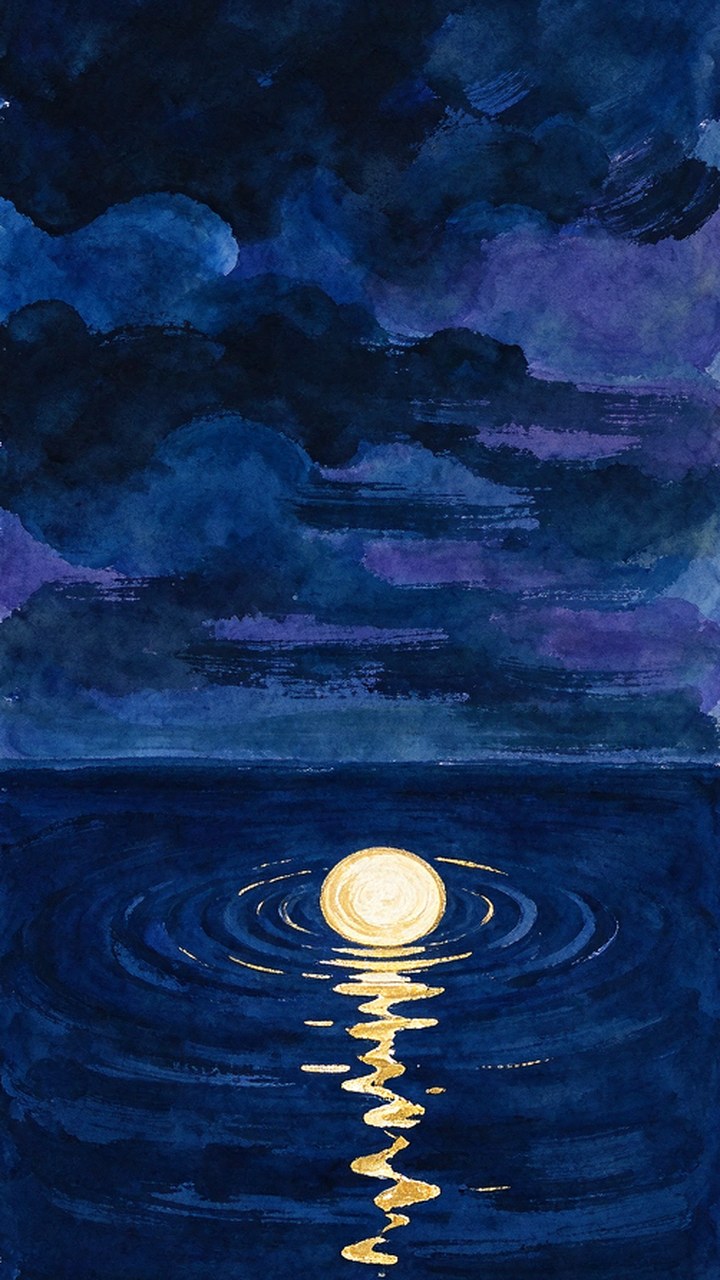
The hymn begins before the familiar distinction between existence and nonexistence. There is no sky to point toward, no division of night from day. It asks what could have covered anything then, where it could have rested, and whether unfathomable water was there.
Images and questions
It speaks of the One, breathing without wind through its own power, and of darkness hidden within darkness. The language reaches toward a beginning through images of undifferentiated water and the force of heat, or tapas. These images remain part of the hymn's inquiry.
Desire arises as an early seed of mind. Sages search within their hearts for a relationship between what exists and what does not. The questions widen: what lay above, and what below? Who could tell the beginning, when even the gods came later?
Where the passage leaves us
The final verse turns toward the one who surveys from the highest heaven. Perhaps that one knows how this creation arose; perhaps even that one does not. The poem lets the question remain audible at the very point where an answer might be expected.
हिन्दी में पूरी कथा और सीख पढ़ें
सूक्त का आरम्भ
सूक्त उस आरंभ पर विचार करता है जहाँ अस्तित्व और अनस्तित्व का परिचित भेद भी नहीं था। न ऊपर संकेत करने के लिए आकाश था, न रात और दिन का विभाजन। वह पूछता है कि तब सबको क्या ढके हुए था, उसका आधार कहाँ था और क्या अगाध जल था।
विचार और बिंब
वह उस एक का उल्लेख करता है जो वायु के बिना अपनी ही शक्ति से श्वास लेता था, और उस अंधकार का जो अंधकार में छिपा था। अविभाजित जल और ताप या तपस् की शक्ति के बिम्ब आरंभ तक पहुँचने का प्रयास करते हैं। ये बिम्ब सूक्त की जिज्ञासा का हिस्सा बने रहते हैं।
कामना मन के आरंभिक बीज के रूप में उभरती है। ऋषि अपने हृदय में खोजते हैं कि जो है और जो नहीं है, उनके बीच क्या संबंध है। प्रश्न फैलते हैं: ऊपर क्या था, नीचे क्या था? जब देवता भी बाद में आए, तो आरंभ के बारे में कौन बता सकता है?
पाठ का अंतिम संकेत
अंतिम ऋचा सर्वोच्च आकाश से देखने वाले की ओर मुड़ती है। संभव है कि वह जानता हो कि यह सृष्टि कैसे उत्पन्न हुई; संभव है कि वह भी न जानता हो। जहाँ उत्तर की अपेक्षा हो सकती थी, ठीक वहीं कविता प्रश्न को सुनाई देता रहने देती है।
कथा की सीख / विचार
सच्चा प्रश्न भी श्रद्धा की अभिव्यक्ति हो सकता है। यह पाठ अनिश्चितता के साथ धैर्य रखने का आमंत्रण देता है और सूक्त की विविध दार्शनिक व्याख्याओं को खुला रखता है।