The hymn begins
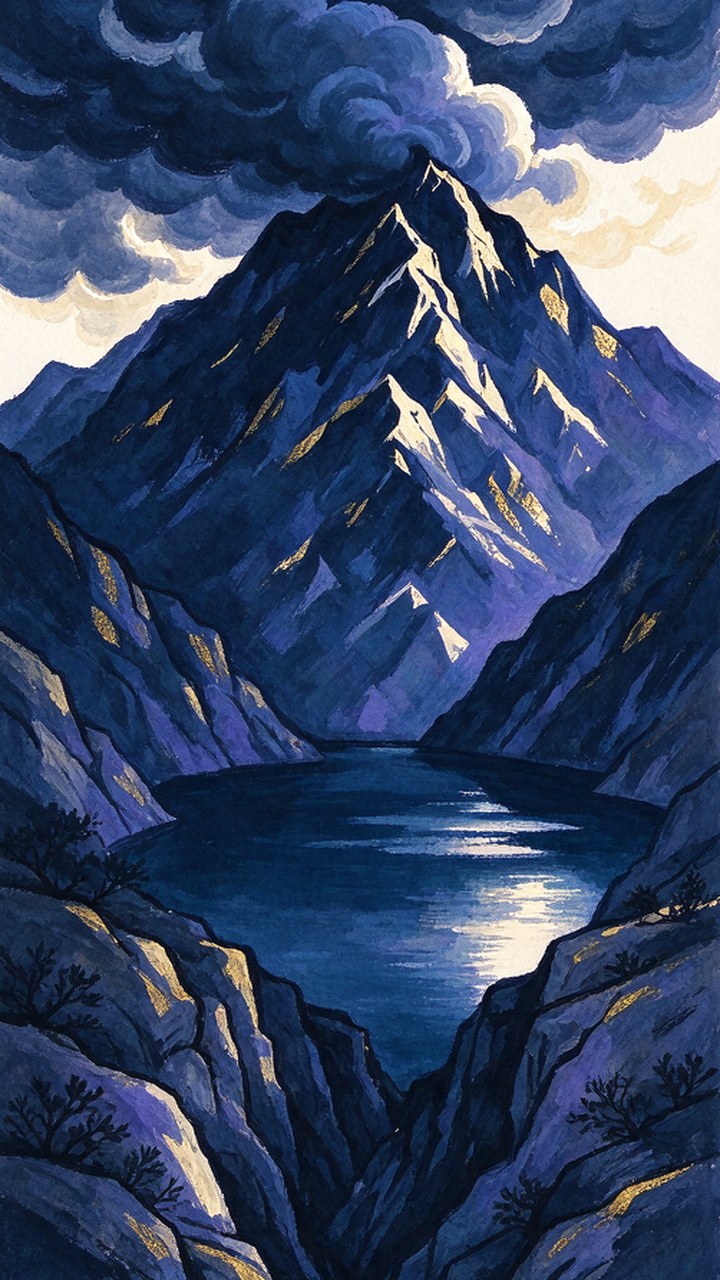
The singer recalls a mighty deed of Indra: the serpent Vritra had held back the waters among the mountains. Indra, bearer of the thunderbolt, confronted this obstruction. The hymn praises the victory through images of rushing streams, released cattle, and the appearance of light.
Images and questions
Tvashtar had fashioned Indra's weapon. After drinking Soma, Indra struck Vritra, and the serpent fell like a tree brought down. Sun and dawn appear in the hymn's celebration of the world opened by this deed.
The waters, once enclosed, flowed over the fallen barrier and hurried toward the ocean. Their release is compared with cows emerging from confinement. The poet sings of the seven rivers set free, giving movement to what had been held still.
Where the passage leaves us
The praise also contains a surprising question: why did fear enter Indra after his victory? The singer asks rather than explains. Finally, the hymn salutes Indra's sovereignty over moving and unmoving life, holding its many parts together like a wheel's rim holds its spokes.
हिन्दी में पूरी कथा और सीख पढ़ें
सूक्त का आरम्भ
ऋषि इन्द्र के एक महान कार्य का स्मरण करते हैं। पर्वतों के बीच वृत्र नामक सर्प ने जल को रोक रखा था। वज्रधारी इन्द्र ने इस अवरोध का सामना किया। सूक्त बहती धाराओं, मुक्त गायों और प्रकाश के प्रकट होने के बिम्बों से उनकी विजय की स्तुति करता है।
विचार और बिंब
त्वष्टा ने इन्द्र का अस्त्र बनाया था। सोम पीकर इन्द्र ने वृत्र पर प्रहार किया और वह कटे हुए वृक्ष की तरह गिर पड़ा। इस कार्य से खुलते जगत के उत्सव में सूक्त सूर्य और उषा का भी वर्णन करता है।
जो जल पहले घिरा हुआ था, वह गिरे हुए अवरोध के ऊपर से बहता हुआ समुद्र की ओर चला। उसकी मुक्ति की तुलना बंद स्थान से बाहर आती गायों से की गई है। ऋषि सात नदियों के मुक्त होने का गान करते हैं; जो रुका था, वह फिर प्रवाहित हुआ।
पाठ का अंतिम संकेत
इस स्तुति में एक चकित करने वाला प्रश्न भी है: विजय के बाद इन्द्र के हृदय में भय क्यों आया? ऋषि प्रश्न करते हैं, उसका कारण नहीं बताते। अंत में सूक्त चर और अचर पर इन्द्र के प्रभुत्व को प्रणाम करता है, जैसे पहिए का घेरा उसकी तीलियों को एक साथ रखता है।
कथा की सीख / विचार
मुक्त जलधाराएँ ऐसी शक्ति पर विचार करने का अवसर देती हैं जो गति और पोषण लौटाती है। यह आज के पाठक के लिए चिंतन है, सूक्त का एकमात्र उपदेश होने का दावा नहीं।