Ramayana Storyverse
रामायण कथाविश्व
Follow Rama and Sita from Ayodhya to the forest, across the sea to Lanka, and home again. Branch off to discover the family history, separate journeys, and later choices that change how the epic reads.
अयोध्या से वन, फिर समुद्र पार लंका और घर वापसी तक राम और सीता की कथा पढ़ें। शाखाओं में पुरखों की कथाएँ, साथ चल रहे अलग प्रसंग और बाद के निर्णय खोजें।
Main story in reading order
मुख्य कथा का क्रम
Follow the 12 numbered reading chapters from the beginning, or open any of the four comic collections for films and panels.
आरम्भ से 12 क्रमांकित अध्याय पढ़ें या चित्रकथा और फ़िल्मों के लिए चार में से कोई संग्रह खोलें।
-
Birth, marriage and exile
जन्म, विवाह और वनवास
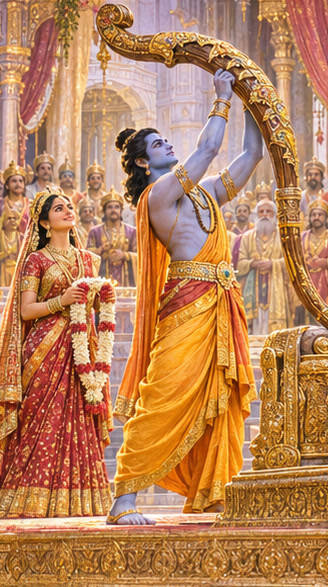
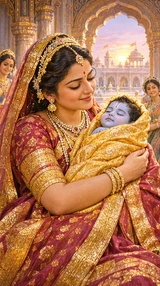
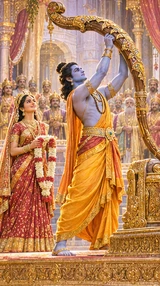
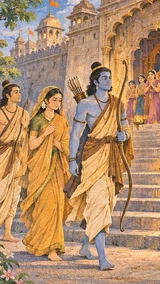
Four brothers grow up in Ayodhya. Rama and Sita marry, then two old promises change who will rule.
अयोध्या में चार भाई बड़े होते हैं। राम और सीता का विवाह होता है। दो पुराने वचन राज्य का भविष्य बदल देते हैं।
-
The search for Sita
सीता की खोज
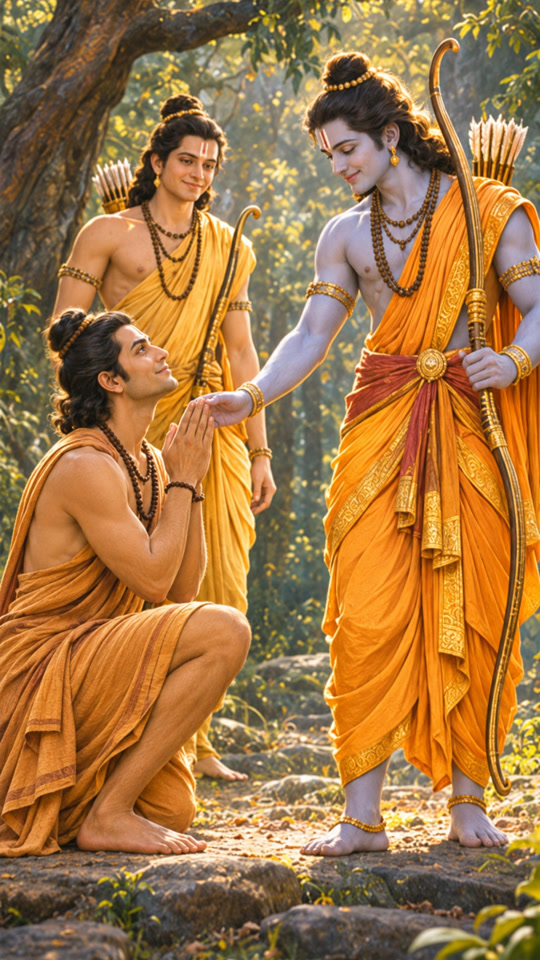
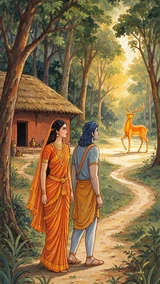
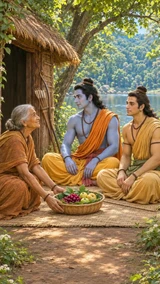
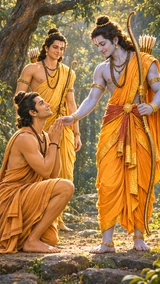
A golden deer draws the brothers away. Jatayu, Shabari, Hanuman and Sugriva help turn loss into a search.
सुनहरा हिरण भाइयों को दूर ले जाता है। जटायु, शबरी, हनुमान और सुग्रीव खोज को दिशा देते हैं।
Films in this chapterइस अध्याय की फ़िल्में
-
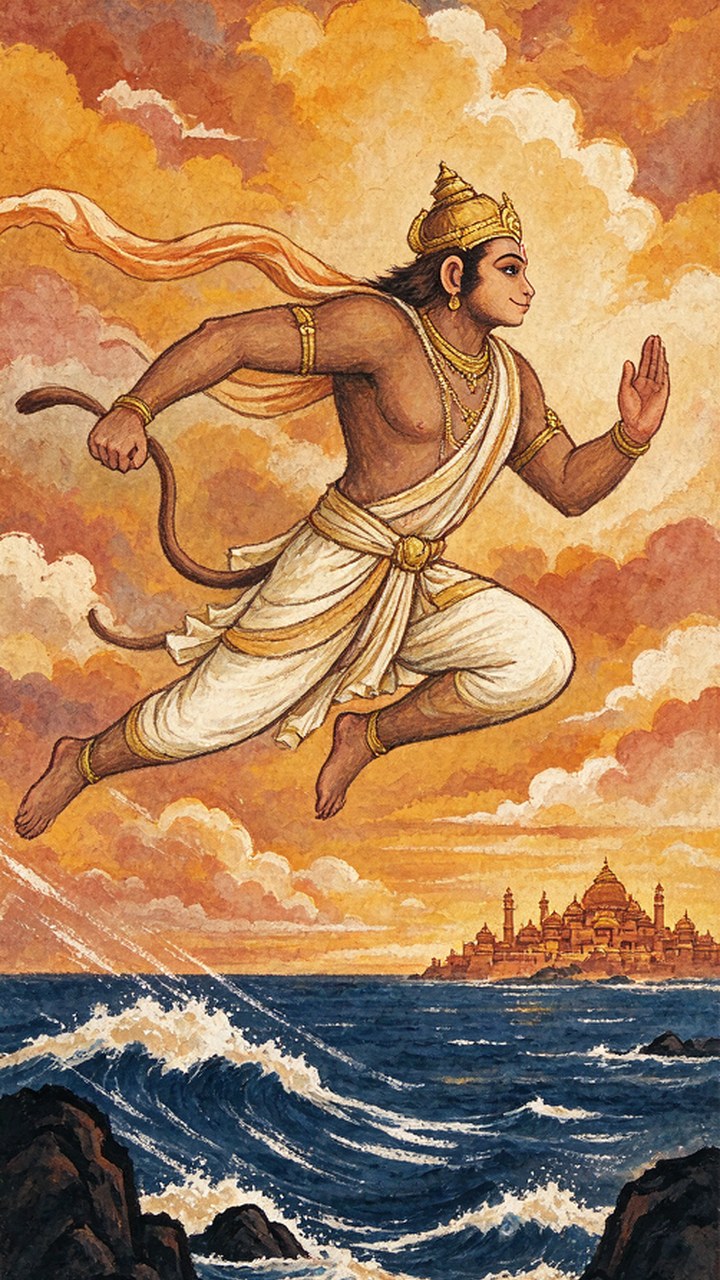
Across the sea to Lanka
समुद्र पार लंका
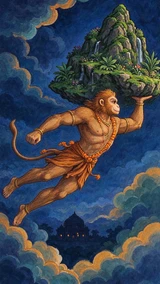
Hanuman reaches Sita. Her reply, Vibhishana’s choice and Nala’s bridge bring the whole company to Lanka.
हनुमान सीता तक पहुँचते हैं। सीता के उत्तर, विभीषण के निर्णय और नल के सेतु से दल लंका पहुँचता है।
Films in this chapterइस अध्याय की फ़िल्में
-
Homecoming and Sita’s voice
घर वापसी और सीता की आवाज़
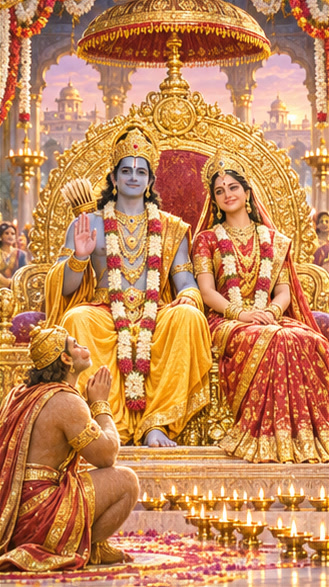
The war ends and the exiles return. A later turn in the story lets Sita and her sons speak for themselves.
युद्ध समाप्त होता है और वनवासी लौटते हैं। आगे सीता और उनके पुत्र अपनी बात स्वयं कहते हैं।
Films in this chapterइस अध्याय की फ़िल्में
Connected stories
जुड़ी कथाएँ
Explore earlier events, stories told alongside or within the epic, and what followed. Open any story to find its illustrated reading.
पहले की घटनाएँ, महाकाव्य के साथ या उसके भीतर कही गई कथाएँ और आगे की घटनाएँ खोजें। सचित्र पाठ के लिए कोई भी कथा खोलें।
Prequels
पूर्वकथाएँ
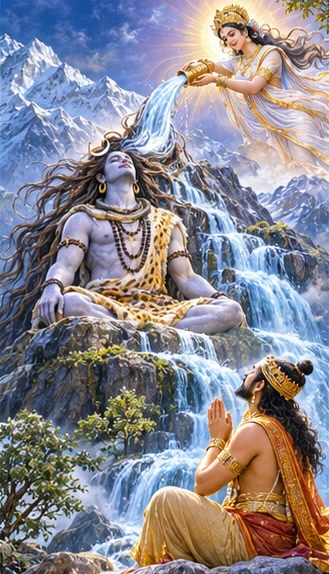 Bhagiratha brings Ganga to Earthभगीरथ गंगा को धरती पर लाते हैंAn ancestral story from Rama’s royal line.राम के राजवंश के एक पूर्वज की कथा।
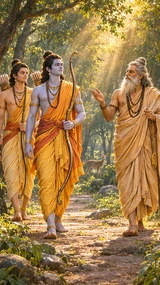
Long before Rama, King Bhagiratha sought Ganga’s waters for his ancestors, the sons of Sagara. Ganga’s descent was too powerful for Earth to receive unaided. Shiva caught the river in his hair and released it so it could flow onward. Bhagiratha guided the water to the place it was needed. Vishvamitra tells the brothers this family history on their early journey.
राम से बहुत पहले राजा भगीरथ ने अपने पूर्वज सगर के पुत्रों के लिए गंगा का जल माँगा। गंगा का वेग धरती अकेले नहीं सह सकती थी। शिव ने गंगा को जटाओं में थामकर उन्हें आगे बहने दिया। भगीरथ जल को वहाँ ले गए जहाँ उसकी आवश्यकता थी। आरम्भिक यात्रा में विश्वामित्र दोनों भाइयों को उनके वंश की यह कथा सुनाते हैं।
Moralसीख · A goal can take perseverance across generations and help from people with different strengths.किसी लक्ष्य के लिए पीढ़ियों का धैर्य और अलग क्षमताओं वाले लोगों की सहायता लग सकती है।
Sourceस्रोत · Vālmīki Rāmāyaṇa · Bāla Kāṇḍa, Sargas 38–44
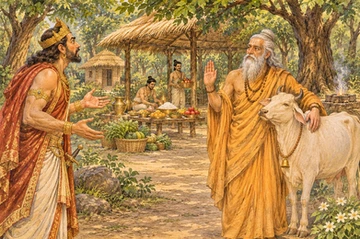 How Vishvamitra became a sageविश्वामित्र ऋषि कैसे बनेThe teacher in Chapter 1 once ruled a kingdom.पहले अध्याय के गुरु कभी राजा थे।
Vishvamitra first appears in his own story as a king. At Vasishta’s hermitage he tries to take the cow that sustains the community, but his royal power cannot overcome the sage’s spiritual strength. He leaves kingship behind and undergoes long discipline, with setbacks along the way. His story helps explain what he brings to Rama and Lakshmana when he later leads them away from the palace.
विश्वामित्र अपनी कथा में पहले राजा हैं। वशिष्ठ के आश्रम में वे आश्रम का पालन करने वाली गाय लेना चाहते हैं। राजबल से ऋषि की साधना की शक्ति को नहीं जीत पाते। वे राजपद छोड़कर लम्बी साधना करते हैं और बीच में कई बार चूकते भी हैं। बाद में राम और लक्ष्मण को महल से बाहर ले जाने वाले गुरु को समझने में यह कथा मदद करती है।
Moralसीख · Learning self-control can take longer than gaining power.शक्ति पाने की तुलना में अपने ऊपर संयम सीखने में अधिक समय लग सकता है।
Sourceस्रोत · Vālmīki Rāmāyaṇa · Bāla Kāṇḍa, Sargas 51–65
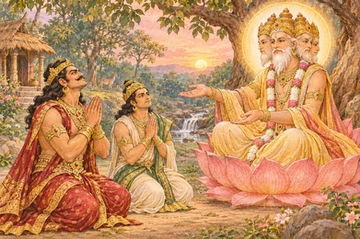 Before Ravana ruled Lankaरावण के लंका पर शासन से पहलेA later book looks back at two brothers’ different choices.बाद के ग्रंथ-भाग में दो भाइयों के अलग चुनाव याद किए जाते हैं।
In the Uttara Kāṇḍa, the sages tell Rama about Ravana’s earlier life. After long austerities Ravana asks for protection against powerful beings. Believing humans too weak to fear, he leaves them out. His brother Vibhishana asks that his mind stay committed to right conduct even in hardship. The contrast helps explain why they later disagree about holding Sita captive.
उत्तरकाण्ड में ऋषि राम को रावण का पूर्व जीवन सुनाते हैं। लम्बी तपस्या के बाद रावण शक्तिशाली प्राणियों से सुरक्षा माँगता है। मनुष्यों को कमजोर समझकर वह उन्हें गिनता ही नहीं। उसका भाई विभीषण कठिन समय में भी सही आचरण पर टिके रहने का वर माँगता है। आगे सीता को बंदी रखने के प्रश्न पर दोनों का मत क्यों अलग होता है, इसे यह प्रसंग समझाता है।
Moralसीख · What we ask power to do says something about the choices we will make with it.हम शक्ति से क्या चाहते हैं, उससे पता चलता है कि उसका उपयोग कैसे कर सकते हैं।
Sourceस्रोत · Vālmīki Rāmāyaṇa · Uttara Kāṇḍa, Sarga 10
Parallel stories
समानांतर कथाएँ
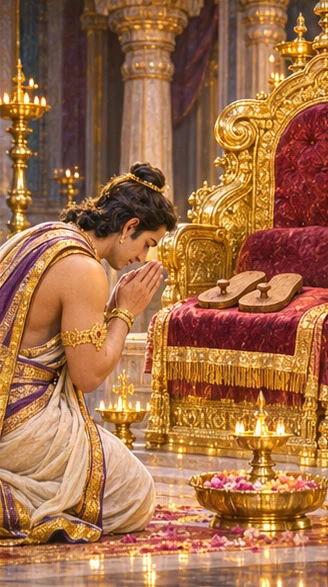 While Rama is away, Bharata governsराम के वनवास में भरत राज्य सँभालते हैंAyodhya’s story continues during the forest years.वनवास के वर्षों में अयोध्या की कथा भी चलती रहती है।
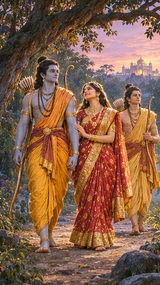
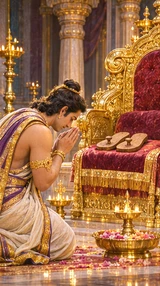
Bharata asks Rama to return, but Rama chooses to complete Dasharatha’s promise. Bharata takes his brother’s sandals and governs from Nandigrama in Rama’s name. While the forest journey and the search for Sita unfold, Bharata has a task of his own. He safeguards a kingdom he has promised to give back.
भरत राम से लौटने को कहते हैं, पर राम दशरथ का वचन पूरा करते हैं। भरत राम की पादुकाएँ लेकर नन्दिग्राम से उनके नाम पर शासन सँभालते हैं। वन की यात्रा और सीता की खोज के दौरान भरत का अपना काम भी चलता है। वे उस राज्य की देखभाल करते हैं जिसे लौटाने का वचन दिया है।
Moralसीख · Holding power in trust means being ready to return it.अमानत की तरह सत्ता सँभालने का अर्थ है उसे लौटाने के लिए तैयार रहना।
Sourceस्रोत · Vālmīki Rāmāyaṇa · Ayodhyā Kāṇḍa, Sargas 112–115
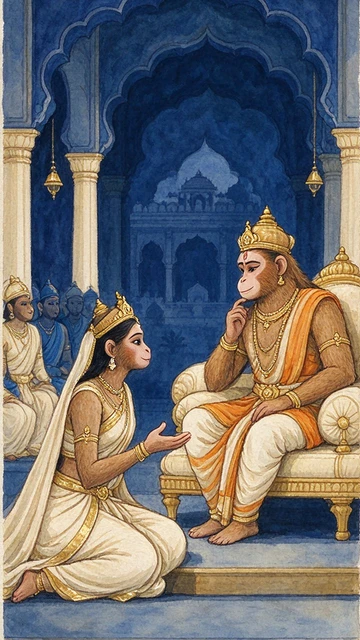 Tara sees danger comingतारा खतरा पहचानती हैंWhat the alliance looks like from Vali’s household.वाली के परिवार की ओर से वही प्रसंग।
Sugriva returns to challenge his brother Vali. Tara, Vali’s wife, notices that he would not have come back so quickly without help. She advises Vali to consider an agreement and warns that Rama may be nearby. Vali ignores her warning. The episode gives us another view of the moment when Rama and Sugriva’s promise reaches its cost.
सुग्रीव फिर अपने भाई वाली को चुनौती देने आते हैं। वाली की पत्नी तारा समझती हैं कि सहायता के बिना सुग्रीव इतनी जल्दी नहीं लौटते। वह समझौते पर विचार करने को कहती हैं और सावधान करती हैं कि राम पास हो सकते हैं। वाली उनकी बात नहीं सुनते। यह प्रसंग राम और सुग्रीव का वचन निभने की कीमत दूसरे पक्ष से दिखाता है।
Moralसीख · Take a warning seriously when someone sees what you have missed.जो खतरा आपको नहीं दिख रहा, उसे देखने वाले की चेतावनी सुनें।
Sourceस्रोत · Vālmīki Rāmāyaṇa · Kiṣkindhā Kāṇḍa, Sarga 15
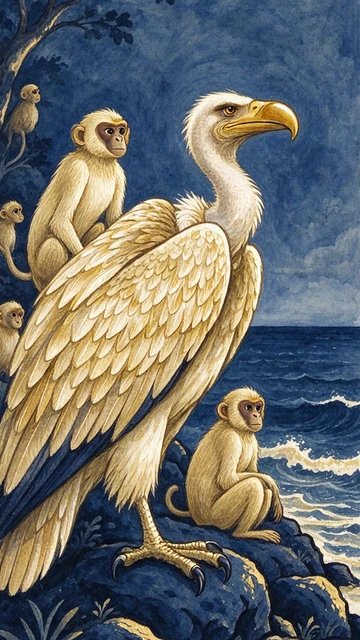 Sampati gives the search a directionसम्पाती खोज को दिशा देते हैंThe southern search team is running out of leads.दक्षिण के खोज दल के पास अब कोई दिशा नहीं है।
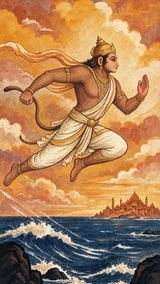
Sita is in Lanka while Sugriva’s southern search team has reached the sea without finding her. Sampati hears the searchers speak of Jatayu, his brother. Learning why they are there, he uses his far-reaching sight and tells them where Sita is held. His knowledge makes it possible for Hanuman to plan the crossing.
सीता लंका में हैं और सुग्रीव का दक्षिण का खोज दल उन्हें पाए बिना समुद्र तक पहुँच गया है। सम्पाती खोजियों से अपने भाई जटायु की बात सुनते हैं। उनका उद्देश्य जानकर वह अपनी दूरदृष्टि से सीता का ठिकाना बताते हैं। उनके ज्ञान से हनुमान समुद्र पार करने की योजना बना पाते हैं।
Moralसीख · Information shared at the right moment can change an entire search.सही समय पर साझा किया ज्ञान पूरी खोज को बदल सकता है।
Sourceस्रोत · Vālmīki Rāmāyaṇa · Kiṣkindhā Kāṇḍa, Sampati and the southern search
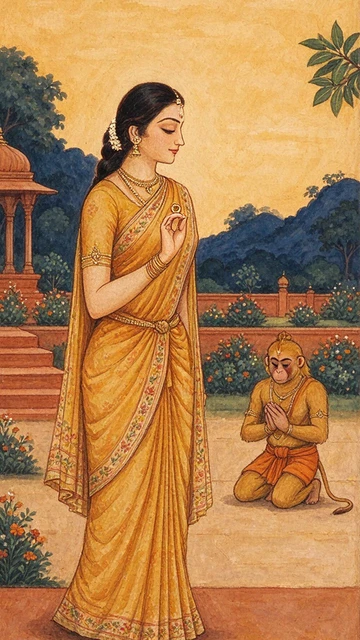 Sita sends her own replyसीता अपना उत्तर भेजती हैंFrom Sita’s side of the sea crossing.समुद्र पार खोज को सीता की ओर से देखें।
Hanuman brings Rama’s ring to Sita in the Ashoka grove. She recognises it and trusts him. Sita gives Hanuman a jewel from her hair and words to carry back. In her captivity she is still making decisions about what news will reach Rama, and how he can know the messenger met her.
हनुमान अशोक वाटिका में सीता को राम की अंगूठी देते हैं। सीता उसे पहचानकर दूत पर भरोसा करती हैं। वह अपने केशों की मणि और राम के लिए अपना संदेश देती हैं। बंदी होने पर भी वह स्वयं तय करती हैं कि राम तक क्या बात जाए और उन्हें भेंट का भरोसा कैसे हो।
Moralसीख · Look for what a person can choose even when much has been taken from them.कठिन बंधनों में भी व्यक्ति के अपने निर्णयों पर ध्यान दें।
Sourceस्रोत · Vālmīki Rāmāyaṇa · Sundara Kāṇḍa, Sita’s token and message
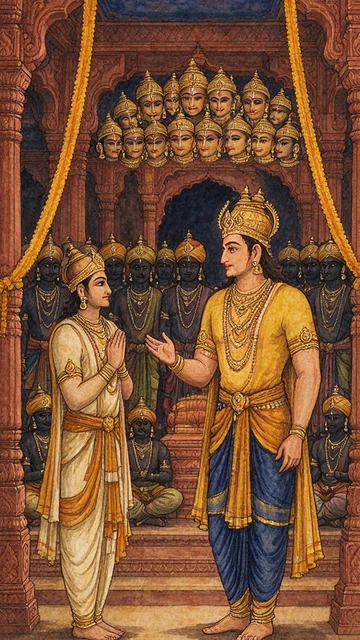 Vibhishana leaves his brother’s courtविभीषण भाई की सभा छोड़ते हैंA decision inside Lanka changes what follows outside it.लंका के भीतर का निर्णय बाहर की कथा बदलता है।
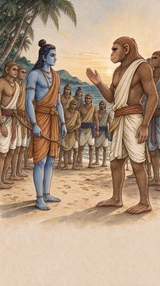
While Rama’s company prepares to reach Lanka, Vibhishana advises Ravana to return Sita. Ravana refuses. Vibhishana leaves, asks Rama for refuge and is welcomed after Rama hears his allies’ concerns. Later he becomes Lanka’s ruler. His decision began long before the throne was available.
राम के साथी लंका पहुँचने की तैयारी कर रहे हैं। विभीषण रावण को सीता लौटाने की सलाह देते हैं। रावण मना करता है। विभीषण लंका छोड़कर राम से शरण माँगते हैं। राम अपने साथियों की आशंका सुनते हैं और उन्हें स्वीकार करते हैं। बाद में विभीषण लंका के राजा बनते हैं। उनका निर्णय सिंहासन मिलने से पहले का है।
Moralसीख · Conscience can require disagreeing with people we love.विवेक कभी अपने प्रिय लोगों से असहमत होने की माँग करता है।
Sourceस्रोत · Vālmīki Rāmāyaṇa · Yuddha Kāṇḍa, Vibhishana seeks refuge
Sequels
आगे की कथाएँ
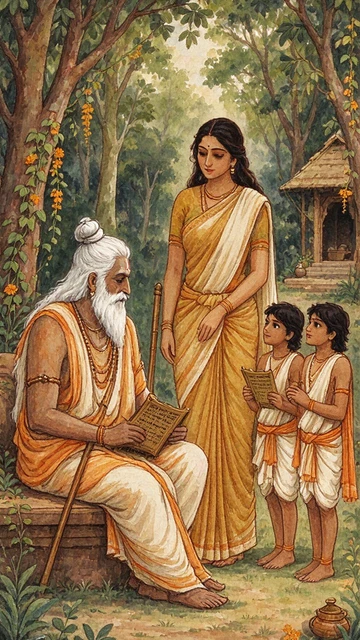 Lava and Kusha sing the epicलव और कुश रामायण गाते हैंAfter the coronation, the next generation tells the story.राज्याभिषेक के बाद अगली पीढ़ी कथा सुनाती है।
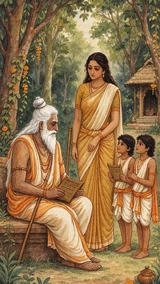
In the Uttara Kāṇḍa after the return to Ayodhya, Valmiki shelters Sita. Her sons Lava and Kusha learn the Ramayana and sing it in Rama’s presence. Sita later speaks before the assembly and calls on Earth to witness her truth. This carries the epic beyond homecoming and asks who gets to tell what happened.
उत्तरकाण्ड में अयोध्या लौटने के बाद सीता को वाल्मीकि आश्रय देते हैं। उनके पुत्र लव और कुश रामायण सीखकर राम के सामने गाते हैं। सीता सभा में अपनी बात कहती हैं और अपनी सत्यनिष्ठा के लिए धरती को साक्षी बनाती हैं। घर वापसी के आगे की कथा पूछती है कि घटना कहने का अधिकार किसे मिलता है।
Moralसीख · A story becomes fuller when those who carried its cost are heard.कथा तब पूरी तरह समझ आती है जब उसकी कीमत चुकाने वालों की आवाज़ भी सुनी जाए।
Sourceस्रोत · Vālmīki Rāmāyaṇa · Uttara Kāṇḍa, Sargas 93–97
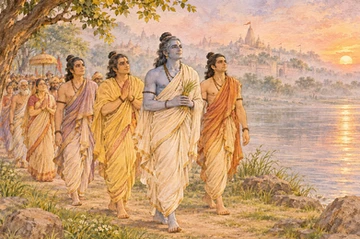 Rama’s last journey to the Sarayuसरयू तक राम की अंतिम यात्राAn ending told in the Uttara Kāṇḍa.उत्तरकाण्ड में बताया गया समापन।
In the closing account of the Uttara Kāṇḍa, Rama arranges for the kingdom to continue and journeys from Ayodhya to the Sarayu. Many wish to accompany him. The text describes his departure in sacred terms and associates it with his return to the divine. It offers a later ending to read after the royal homecoming.
उत्तरकाण्ड के अंतिम प्रसंग में राम राज्य की आगे की व्यवस्था करते हैं और अयोध्या से सरयू की ओर जाते हैं। बहुत से लोग उनके साथ जाना चाहते हैं। ग्रंथ उनके प्रस्थान को पवित्र रूप में, उनके दिव्य स्वरूप से जुड़ी वापसी के रूप में बताता है। यह राज्याभिषेक और घर वापसी के बाद पढ़ा जाने वाला समापन है।
Moralसीख · A life of responsibility includes making sure others can continue after you.जिम्मेदारी में यह देखना भी शामिल है कि आपके जाने के बाद दूसरे काम आगे बढ़ा सकें।
Sourceस्रोत · Vālmīki Rāmāyaṇa · Uttara Kāṇḍa, Sargas 107–110
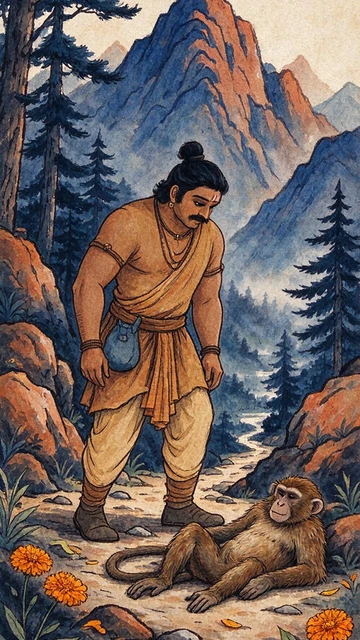 Across the epics · Hanuman meets Bhimaदो महाकाव्यों के बीच · हनुमान और भीमThe Ramayana’s messenger appears again in the Mahabharata.रामायण के दूत महाभारत में फिर मिलते हैं।
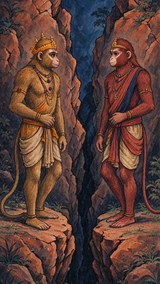
In the Mahabharata’s forest book, Bhima finds an old monkey in his path. He cannot move its tail however hard he tries. The monkey reveals himself as Hanuman and speaks of the older age of Rama. This meeting connects the epics through Hanuman’s memory and lets strength teach humility.
महाभारत के वन पर्व में भीम के रास्ते में एक बूढ़ा वानर है। बहुत कोशिश के बाद भी वह उसकी पूँछ नहीं हिला पाते। वानर अपनी पहचान हनुमान के रूप में बताते हैं और राम के पुराने युग की बात करते हैं। हनुमान की स्मृति दोनों महाकाव्यों को जोड़ती है और भीम को शक्ति के साथ विनम्रता सिखाती है।
Moralसीख · Another person’s quieter strength can teach us something about our own.दूसरे की शांत शक्ति हमें अपनी शक्ति के बारे में भी कुछ सिखा सकती है।
Sourceस्रोत · Mahābhārata · Vana Parva, Bhima’s meeting with Hanuman